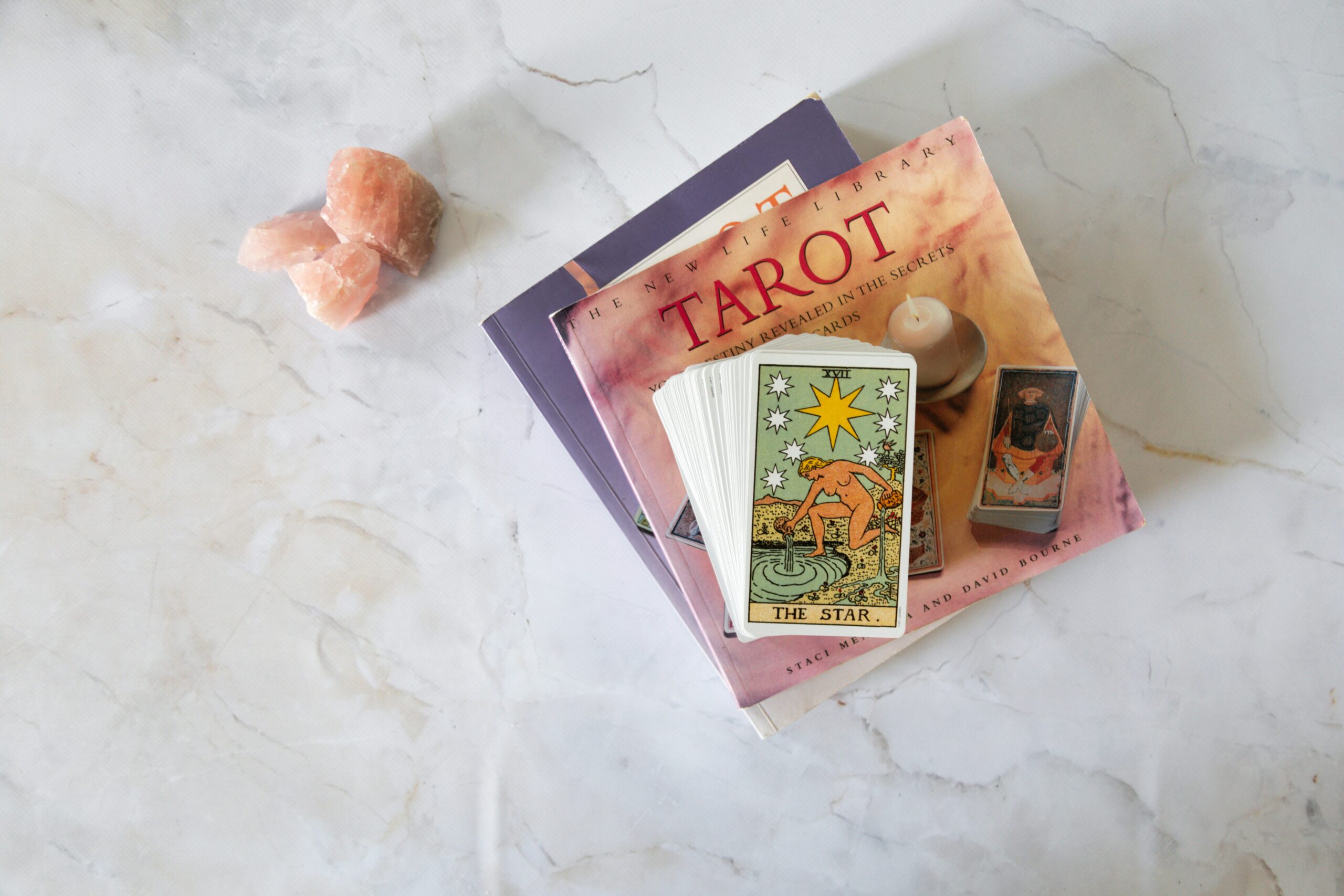
If you have ever found yourself shuffling the deck at a cozy coffee shop, a book club or a circle of friends and wondered how to bring the magic of tarot into a group setting, you are in exactly the right place. Lets walk through everything you need to know to run a smooth, insightful and fun tarot session with a group, no matter whether you are a seasoned reader or just starting out.

Setting the Stage
* Choose the Right Space *
First the environment. Pick a place that feels calm yet open enough for everyone to sit comfortably. A round table works great because it encourages equality, no one is at the head of the table and the energy can circulate freely. If you are outdoors, make sure the weather wont interfere with the cards (wind, rain, sunlight that washes out the images). Comfort is key, consider cushions, a light blanket and maybe a small diffuser with a neutral scent like lavender or sandalwood. You want the space to feel safe, inviting and a little mysterious, just enough to spark curiosity.
* Set an Intention Together *
Before you even touch the cards, gather the group and ask everyone to state a brief intention for the session. This could be as simple as I would like clarity on my career path or we are here to explore our collective creativity. When each person shares, write the intentions on a piece of paper or a whiteboard. Seeing them together reinforces that the reading is a shared journey, not a solo performance.
* Ground the Energy *
A quick grounding exercise helps everyone arrive in the present moment. Invite the group to close their eyes, take three deep breaths and feel their feet connecting to the floor. You could guide them with a short phrase, with each inhale, draw in calm, with each exhale, release distraction. A few seconds of shared stillness sets a respectful tone and signals that the space is sacred.
Choosing the Deck and Tools
* The Deck Matters *
If you have a personal deck you love, bring it along, that familiarity will make you more confident. However in a group setting its also nice to have a neutral deck that everyone feels comfortable with, especially if there are beginners. Classic Rider Waite, Thoth or a beautifully illustrated modern deck can work well. If you have time, ask the group ahead of time whether anyone prefers a particular deck, aligning with their comfort level can make the experience more inclusive.
* Additional Tools *
Consider having a few supporting items on hand:
- A small cloth or felt pad to lay the cards on, protecting both the cards and the surface, especially if you are outside.
- A notebook or flip chart for jotting down key insights that the whole group might want to reference later.
- A simple timer or a phone if you plan to allocate specific time blocks for each spread.
* Handling Sensitive Material *
Some decks contain imagery that can be intense, think of the Death card or the Tower. If you sense anyone might be uncomfortable, give a heads up before the reading begins. Eg: a quick note, our deck includes some strong symbols, let me know if anything feels off and we can adjust accordingly.

Structuring the Session
A typical group tarot session can be broken down into four main phases:
* Opening & Grounding *
You have already set the intention and grounded the group, now briefly introduce yourself (if you are not already known) and explain that you will be acting primarily as a facilitator, not an authority. Emphasize that tarot is a mirror, not a prophecy and that every interpretation is open to personal nuance. This helps prevent anyone from feeling dictated to.
* Selecting a Group‑Friendly Spread *
Why does a spread matter? A spread gives the cards a structure, guiding the narrative. For groups you want a layout that allows multiple perspectives without becoming overwhelming. These three go to spreads are great for groups.
* The Circle Spread (6‑Card Layout) *
- Card 1: The groups current energy.
- Card 2: Individual focus- each participant selects a card that represents their personal concern (if the group is small, you can draw one per person; for larger groups, you may let them “choose” from a short three‑card mini‑read).
- Card 3: The challenge or obstacle facing the group.
- Card 4: A collective strength or resource.
- Card 5: Advice for moving forward together.
- Card 6: Potential outcome if the advice is followed.
This spread balances collective and personal insights, making everyone feel seen.
* The Elemental Wheel (4‑Card Layout) *
Assign each card to an element, Earth (practical matters), Water (emotions), Air (ideas), Fire (action). This works well for brainstorming sessions or creative workshops. After laying the cards, ask the group how each elements message resonates with the current project or goal.
* The Story‑Arc Spread (7‑Card Layout) *
Perfect for larger groups that want to explore a shared narrative, such as a community project or a group goal. The cards follow a classic story arc:
- Card 1: The Setting (where we are).
- Card 2: The Protagonist (the groups core identity).
- Card 3: The Inciting Incident (what sparked the current focus).
- Card 4: The Conflict (whats holding us back).
- Card 5: The Mentor (guidance we have or need).
- Card 6: The Turning Point (action to take).
- Card 7: The Resolution (possible future if we act).
This format encourages each participant to see where they fit within the larger story.
Ask the group which format feels most relevant. You can even vote with fingers or a quick show of hands. The democratic approach reinforces the collaborative spirit.
* Pulling and Interpreting the Cards *
– Step 1: Shuffle Together
Invite the group to shuffle while focusing on the collective intention. If the group is large, you can pass the deck around, letting each person add a few shuffles. This shared action infuses the cards with the groups energy.
– Step 2: Cut the Deck
Ask one person (perhaps the one who suggested the spread) to cut the deck. This simple gesture gives everyone a sense of participation.
– Step 3: Draw the Cards
Place the cards face down in the layout you have chosen. When you flip each card, pause for a breath. This moment of stillness lets the symbolism settle.

* Interpretation Tips *
Speak, then invite. Begin with your own brief interpretation (one or two sentences). Then turn the floor over to the group, what does this image say to you? or how does this resonate with your intention?
Encourage personal connections. Even if the card is a group card, individual experiences can surface. For example, the Strength card might trigger a story of personal perseverance that inspires the whole group.
Validate all voices. If someone hesitates gently prompt, I am curious, does this feel relevant to you? This keeps the environment supportive.
Avoid over analysis. Remember, the goal isnt to dissect every symbol exhaustively. Focus on the key themes that arise organically.
Use the notebook,. As insights emerge, jot down phrases or keywords. This visual record helps the group see patterns later.
If you have a timer, allocate roughly 5‑7 minutes per card, adjusting based on the depth of discussion. If the conversation naturally flows longer, thats fine, just be mindful of the overall schedule so you dont rush the closing.
* Handling Disagreements or Sensitive Topics *
Tarot can unearth strong feelings and in a group setting opinions may clash. Heres a gentle protocol:
Acknowledge the tension. I hear that theres a difference of perspective here and thats completely okay.
Recenter on the intent. Remind everyone of the original intention, our purpose is to gain clarity, not to convince each other.
Offer a brief pause where participants can write down their thoughts silently, then share if they feel comfortable.
Use I statements. Encourage comments like I feel… rather than you are wrong…. This reduces defensiveness.
Agree to disagree. If a consensus isnt reached, acknowledge the diversity of viewpoints as part of the richness of the reading.
Closing the Session
* Summarize the Journey *
Briefly recap the key cards and the main themes that surfaced. You might say, we saw a strong current of transformation (Death) paired with a call to nurture our ideas (The Empress). Together that suggests that ending old patterns will make room for new creativity.
* Personal Takeaways *
Give each participant a moment to share one insight they will carry forward. This not only solidifies learning but also reinforces a sense of ownership.
* Gratitude Ritual *
End with a collective thank you. Thank you all for your openness, for sharing your energy and for allowing the cards to speak through us. A brief hand clap or a simple Namaste works well, depending on the groups vibe.
* Follow‑Up Options *
Offer a few ways the group can keep the momentum:
Email summary. Send the notes you took, along with a photo of the spread (if participants consent).
Future sessions. Propose a regular meetup (monthly, quarterly) to track progress.
Personal journals. Encourage each person to write down how the reading aligns with events that unfold over the next weeks.

Tips for the Facilitator (Thats You)
Stay neutral, not detached. You are the guide, not the guru. Offer insights but let the group own the meaning.
Read the room. Notice body language. If someone looks uneasy, gently check in, is everything okay with this card?
Keep the energy light. Humor can defuse tension. A light hearted comment (looks like the Fool is ready for a coffee break) keeps the atmosphere relaxed.
Respect boundaries. If a participant doesnt want to speak, honor that. Silence can be just as powerful as words.
Practice self care. After the session, take a few minutes to clear your own energy. A quick meditation or a cup of tea helps you transition back to daily life.
Common Mistakes and How to Avoid Them
- Dont dominate the conversation. The facilitator wants to show expertise. Set a clear rule, after I share, the floor is open for everyone.
- Dont skip grounding rushing to the cards. Reserve at least 5 minutes for a short breathing exercise.
- Dont use a too complex spread wanting to showcase knowledge. Stick to 4‑7 cards for groups, larger spreads can overwhelm.
- Dont ignore discomfort fear of conflict. Offer an opt out, if any card feels too heavy, we can set it aside.
- Dont leave no record, assuming memories will hold. Write down key points, it validates participants contributions.
Final Thoughts
Running a tarot reading in a group isnt about proving you are the ultimate mystic, its about creating a shared space where symbols become conversation starters, where intuition mixes with collective wisdom and where every voice feels heard. By preparing the environment, choosing a purposeful spread, guiding the dialogue with kindness and closing with gratitude, you will turn a simple card shuffle into a memorable, transformative experience for the whole circle.
Next time you gather a bunch of curious souls around a table, remember these steps, trust the cards and most importantly, trust the people sitting across from you. The cards are merely mirrors, the real magic is the connection you all create together.